 how-to
How to Verify Fine Art Authenticity: A Step-by-Step Guide
Table of Contents
- Why Verifying Fine Art Authenticity Matters
- Step 1: Document and Inspect the Artwork Safely
- Step 2: Examine the Signature and Artist Attribution
- Step 3: Research Art Provenance and Ownership History
- Step 4: Verify a Certificate of Authenticity
- Step 5: Consult an Art Authentication Expert
- Step 6: How to Check If Art Is Stolen
- What to Do When Authenticity Is Disputed
- Frequently Asked Questions
Last Updated: October 17, 2026
Why Verifying Fine Art Authenticity Matters
When you invest in fine art, authenticity is everything. A forgery looks identical to the untrained eye but destroys the entire value of your collection.
At Miramontes Gallery, we understand why collectors need confidence before purchasing. That's why we've built our reputation on transparency and secure transactions. Verify fine art authenticity before committing to any purchase.
The stakes are real. Forged paintings flood the market every year. Stolen artwork circulates quietly through online channels. Misattributed pieces get sold as works by famous artists when they're actually by lesser-known painters. Without proper verification, even experienced collectors can be deceived.
This guide walks you through the exact steps to verify fine art authenticity. You'll learn how to inspect artwork safely, research provenance, spot red flags, and know when to call an expert.
Step 1: Document and Inspect the Artwork Safely
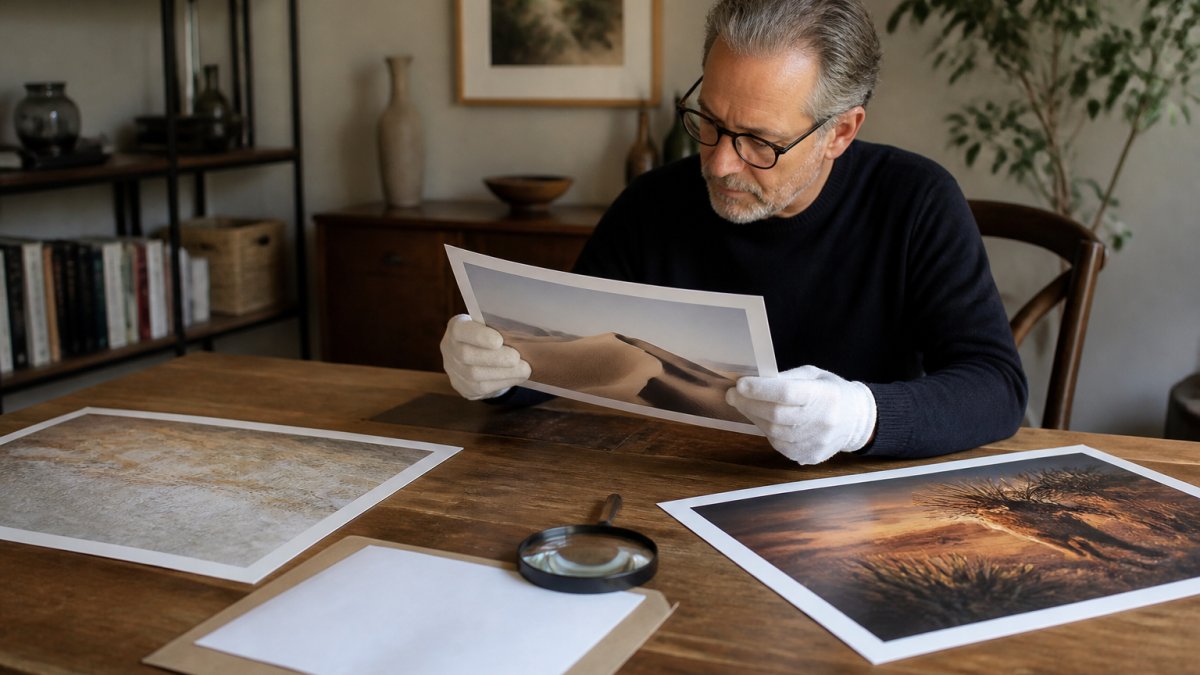
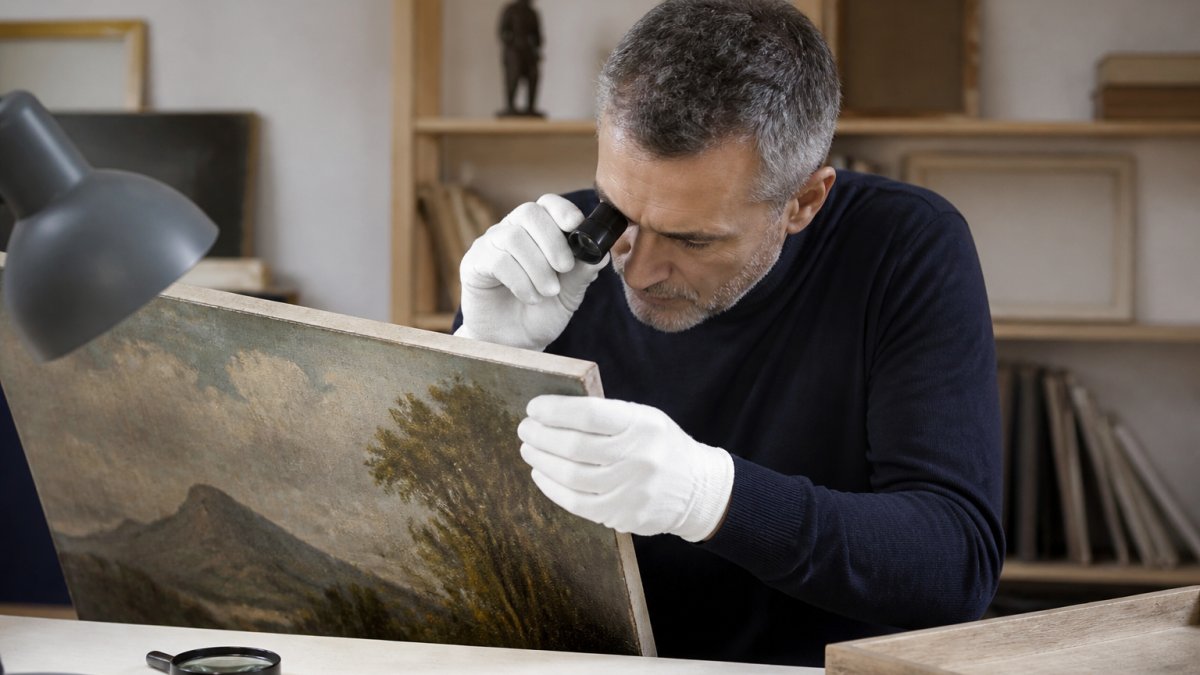
Start by examining the physical artwork itself. Never touch the surface directly with bare hands. Oils from your skin can damage paint and leave marks that affect condition assessment.
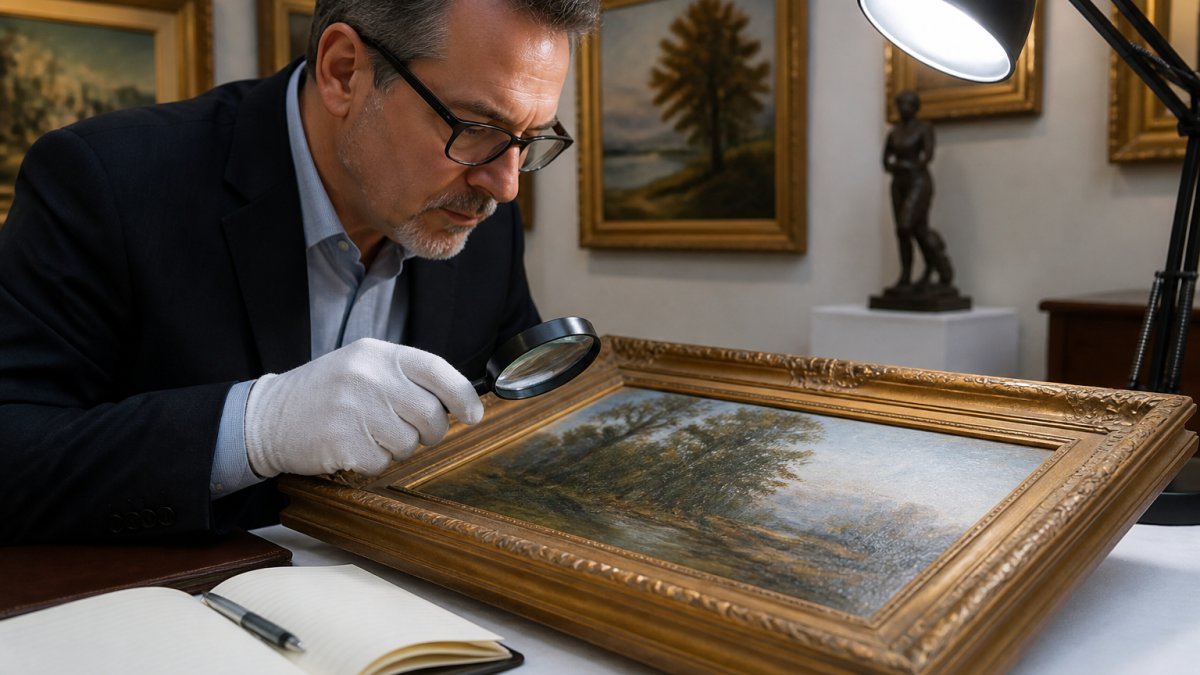
What to document first:
- Take clear photographs of the front, back, and sides under good lighting
- Note the dimensions in inches (height × width × depth)
- Record any visible signatures, dates, or markings
- Document the frame condition and construction
- Photograph any labels, stickers, or stamps on the back
Look for inconsistencies between what you see and what you know about the artist. Does the signature match known examples of the artist's handwriting? Is the style consistent with their other work from that period?
Examine the materials closely. Check the canvas weave, the paint texture, and any cracking or aging patterns. Original paintings show natural aging. Forgeries often look too perfect or too worn in unnatural ways.
Step 2: Examine the Signature and Artist Attribution
The signature is one of the easiest things forgers target. Compare the signature on your artwork with verified examples of the artist's signature from multiple sources.
How to verify a signature:
- Search museum databases for the artist's documented works
- Check auction house catalogs from reputable sellers
- Review art history books with reproductions
- Look at gallery websites that specialize in that artist's work
Signatures change over an artist's lifetime. Early work may have a different signature style than later pieces. Some artists signed only certain works. Others never signed at all.
Red flags in signatures include:
- Shaky or uncertain lines
- Inconsistency with known examples
- Signatures that appear painted over or added later
- Signatures in the wrong location for that artist's typical practice
Step 3: Research Art Provenance and Ownership History
Provenance is the documented ownership history of an artwork. Strong provenance increases authenticity. Weak or missing provenance is a major red flag.
How to research provenance:
- Ask the seller for complete ownership records
- Request documentation of previous sales or exhibitions
- Check if the work appears in the artist's catalog raisonné (complete listing of known works)
- Search auction house records for past sales
- Verify exhibition history through museum and gallery archives
Gaps in provenance raise questions. If a painting disappeared from records for decades, where was it? Who owned it? Why is there no documentation?
The Smithsonian's Art Theft and Restitution database tracks stolen and disputed artworks. Check this resource to confirm the piece hasn't been reported as stolen or looted.
Strong provenance typically includes:
- Names and dates of each owner
- Purchase receipts or sales documents
- Exhibition catalogs listing the work
- Insurance records
- Photographs from previous collections
Step 4: Verify a Certificate of Authenticity
A certificate of authenticity is a document stating that an artwork is genuine. Not all certificates carry equal weight. The issuer's credentials matter enormously.
Certificates issued by:
- The artist or their estate carry significant authority
- Established auction houses (Sotheby's, Christie's) add credibility
- Recognized experts in that artist's work provide expert verification
- Museums or institutions lending their reputation
- Unknown dealers or online sellers offer minimal assurance
Be skeptical of certificates from unfamiliar sources. Forgers sometimes issue fake certificates. A certificate from an unknown "authentication service" may be worthless.
How to verify a certificate of authenticity:
- Contact the issuing organization directly to confirm the certificate's validity
- Check if the authenticator is recognized in the art world
- Look for the authenticator's credentials and experience
- Verify the certificate includes specific details about the artwork
- Confirm the certificate has a unique identifier or registration number
Step 5: Consult an Art Authentication Expert
An authentication opinion is only as good as the process behind it. Most top-ranking guides tell you to "consult an expert" and stop there. The practical question is how to tell a rigorous authentication from a confident guess, and what you should receive in writing when the work is done.
How authentication decisions are actually made
Serious authenticators rarely rely on a single test. A defensible opinion usually combines:
- Connoisseurship, close visual comparison with documented works from the same period, including handling, edge behavior, and how the artist built up layers
- Technical imaging, ultraviolet fluorescence to reveal later retouching, infrared reflectography to see underdrawing, and X-radiography to expose changes in composition or reused canvas
- Materials analysis, pigment identification (for example, detecting pigments introduced after the artist's death), binder analysis, and canvas or panel dating where sampling is justified
- Documentary research, catalog raisonné entries, exhibition records, correspondence, dealer archives, and prior sale records
The strongest reports explain where these lines of evidence agree and where they conflict. A conclusion that ignores a conflicting pigment test or an unexplained provenance gap is a warning sign, not a reassurance.
Vetting an authenticator before you pay
- Specialization first. An expert on 19th-century American landscape painting is not the right person for a postwar abstract work. Ask how many works by this artist or in this movement they have examined and whether they have published on the subject.
- Credentials and standing. Relevant signals include museum curatorial experience, conservation training, accreditation through professional appraiser organizations, and a record of published scholarship. Verify membership claims directly with the organization rather than trusting a website badge.
- Conflicts of interest. Ask directly: Does the expert own the work, have a financial interest in it, or stand to earn a commission on its sale? An authenticator who also offers to broker the piece has an incentive problem. Reputable practitioners disclose these relationships in writing.
- Scope and limitations. Confirm in advance what the expert will and will not do, visual examination only, or imaging and materials testing as well, and whether the fee covers a written report.
- Fee structure. Authentication is commonly billed either as a flat fee or hourly, and some specialists charge a percentage of appraised value for insurance or estate appraisals (a practice governed by appraisal standards rather than authentication itself). Get the fee basis in writing before work begins, and be wary of anyone whose fee rises with a favorable conclusion.
What a usable written report contains
Ask for a report that states the works examined, the methods used, the evidence considered, the limitations (for example, no sampling permitted), the conclusion, and the authenticator's signature and date. A one-line "this is genuine" letter is nearly useless if a dispute later arises.
Step 6: How to Check If Art Is Stolen
Stolen artwork represents a real risk when buying from unknown sources.
Resources to check for stolen art:
- The Art Loss Register maintains the world's largest database of stolen and missing artworks
- INTERPOL's Works of Art database tracks internationally stolen cultural property
- FBI's Art Crime Team tracks stolen works reported in the United States
- Local police departments in areas where the artwork was previously located
- Insurance company records if the piece was previously insured
When purchasing fine art, always:
- Ask the seller if the piece has ever been reported stolen
- Request proof of legitimate ownership transfer
- Check the stolen art databases before finalizing the purchase
- Request a warranty that the seller owns the piece free and clear
- Consider purchasing art insurance that covers theft and loss
Red flags suggesting stolen artwork:
- Seller refuses to provide ownership documentation
- Unusually low price for a work by a known artist
- Seller is evasive about the artwork's history
- Piece appears suddenly after being "lost" for years
- Seller demands cash payment and quick sale
What to Do When Authenticity Is Disputed
A dispute can surface before you buy, at resale, during insurance scheduling, or when an estate is settled.
Step one: freeze the evidence
Stop cleaning, reframing, or transporting the work.
Step two: get a second opinion, in writing
A verbal doubt is not a dispute; a written opinion is. Commission an independent examination from someone with no relationship to the seller or the first authenticator.
Step three: talk to the seller early and in writing
Put your concerns and your requested remedy (return, refund, price adjustment, or further examination at the seller's expense) in a dated written message.
Step four: understand your leverage points
- Return policy and sale terms, the fastest path is usually a contractual return, if one exists and the window is open.
- Payment method, credit card chargeback rules and escrow arrangements can provide recourse that cash or wire transfers do not.
- Marketplace or auction house dispute processes, platforms and auction houses often have internal review procedures; use them in parallel with direct negotiation.
- Insurance, if the work was scheduled on a policy, notify the insurer promptly and follow its claim instructions; do not assume coverage without reading the policy terms.
- Legal counsel, for significant sums, consult an attorney experienced in art transactions. Remedies and deadlines vary by state and by contract, so general advice is no substitute for jurisdiction-specific review.
Step five: manage the outcome
If the work is confirmed as not authentic, document the resolution in writing and update your records, insurance schedule, and any catalog or inventory entries.
Frequently Asked Questions
How do I know if a Certificate of Authenticity is real?
A legitimate certificate of authenticity includes the artist's name, artwork title, date created, dimensions, medium, and a unique serial number or hologram. Verify the issuing organization's credentials by contacting them directly, never rely on contact information printed on the certificate itself. Check whether the authenticator is an accredited appraiser or recognized expert in the artist's work. Forged certificates often contain spelling errors, vague language, or lack specific artwork details. Always cross-reference the certificate number with the authenticator's database if one exists.
Can a painting be authenticated from photographs alone?
Photographs alone are insufficient for definitive authentication. While initial visual inspection of images can reveal obvious red flags like inconsistent style or technique, professional authentication requires hands-on examination of brushstrokes, paint texture, canvas condition, and materials. Scientific analysis, including infrared imaging, X-ray fluorescence, and pigment testing, requires physical access to the artwork. Online authentication services may offer preliminary assessments, but they cannot replace in-person expert examination for high-value pieces.
What does it cost to have art professionally authenticated?
Authentication costs vary widely based on artwork value, complexity, and the type of analysis required. Before paying, verify the authenticator's credentials and ask what methods they will use. Some galleries and auction houses offer authentication services as part of their sales process.
What documents should come with an authentic artwork?
Authentic artworks should include a certificate of authenticity with specific details about the piece, artist provenance documentation showing ownership history, receipts or invoices from previous sales, exhibition catalogs if the work was displayed publicly, and any conservation or restoration records. The artist's signature should be present and consistent with known examples. For valuable pieces, a detailed condition report and photographs taken at the time of purchase protect against future disputes. Keep all documentation organized and stored safely alongside the artwork.