 listicle
Buy Culturally Inspired Fine Art: A Collector's Guide
Table of Contents
- Why Culturally Inspired Fine Art Matters to Collectors
- Best Online Galleries for Collectors of Cultural Art
- How to Choose Art for Your Home: A Framework for Culturally Inspired Pieces
- Art Visualization Tools: Previewing Your Purchase Before Buying
- Cultural Context and Respectful Purchasing
- Artist Compensation and Supporting Independent Creators
- Care, Display, and Preservation of Fine Art
- Frequently Asked Questions
Last Updated: October 18, 2026
Why Culturally Inspired Fine Art Matters to Collectors
Collectors who prioritize buy culturally inspired fine art recognize something fundamental: art isn't just decoration. It's a conversation between cultures, a bridge between artist and viewer, and a deliberate choice to surround yourself with meaning. When you buy culturally inspired fine art, you're making a statement about what you value, authenticity, cultural representation, and the stories embedded in every brushstroke.
The art world has shifted. Seasoned collectors no longer view cultural art as a niche category. It's become central to serious collecting. First-time buyers, meanwhile, often feel intimidated by the process, worried about authenticity, unsure how to evaluate quality, and uncertain whether they're paying fair prices. That hesitation is understandable, but it shouldn't stop you.
At Miramontes Gallery, we've worked with collectors across all experience levels. What we've learned is this: the right platform removes friction from the buying process. You shouldn't have to second-guess whether a piece is genuine, whether you can visualize it in your space, or whether your money is protected. When those concerns are addressed upfront, you can focus on what actually matters, finding art that resonates with you.
Best Online Galleries for Collectors of Cultural Art
Finding a trustworthy online gallery is the foundation of smart collecting. Not all platforms are created equal. Some prioritize volume over curation. Others lack transparency about artist attribution and provenance. The best galleries combine genuine selection, clear sourcing information, and a buying experience that feels secure.
Miramontes Gallery stands out because it was built specifically for collectors seeking culturally inspired fine art with confidence. The platform uses SSL encryption for secure checkout, maintains a clear return policy with no-charge replacements for quality issues, and, critically, includes an augmented reality tool that lets you preview artwork in your actual space before purchasing. This isn't a gimmick. It solves the single biggest concern collectors have: "Will this actually look right on my wall?"
The gallery's registration with the Art Storefronts Organization signals accountability. It means the business has met established standards for transparency and customer protection. For collectors accustomed to buying from brick-and-mortar galleries, this verification matters.
The choice depends on your collecting stage. New collectors benefit from curated selections and clear guidance. Experienced collectors often want direct artist access or rare pieces from established galleries.
What Sets Trustworthy Galleries Apart
A trustworthy gallery does three things consistently: it verifies artist information, it protects your purchase, and it communicates transparently about what you're buying.
Verification means the gallery can tell you the artist's name, background, cultural context, and whether the work is original, a limited-edition print, or a reproduction. Vague descriptions, "inspired by traditional techniques" without naming the tradition or artist, are a red flag. Galleries that invest in artist attribution are signaling that they care about authenticity.
Purchase protection includes clear return policies, secure payment processing, and recourse if something arrives damaged or misrepresented. Miramontes Gallery's no-charge replacement policy removes the risk. You shouldn't hesitate to buy because you're afraid of being stuck with a damaged piece or one that doesn't match its description.
Transparent communication means the gallery explains pricing, shipping costs, and framing options upfront. Hidden fees erode trust. Galleries that break down what you're paying for, the artwork itself, framing, insurance, shipping, demonstrate integrity.
How to Choose Art for Your Home: A Framework for Culturally Inspired Pieces
Choosing culturally inspired fine art for your home requires a framework. Without one, you'll either overthink every decision or make impulse purchases you later regret.
Start with intention. Ask yourself: What draws me to this piece? Is it the visual style, the cultural narrative, the artist's story, or a combination? Collectors who can articulate their attraction make better long-term choices. They buy art that survives the initial excitement and deepens over time.
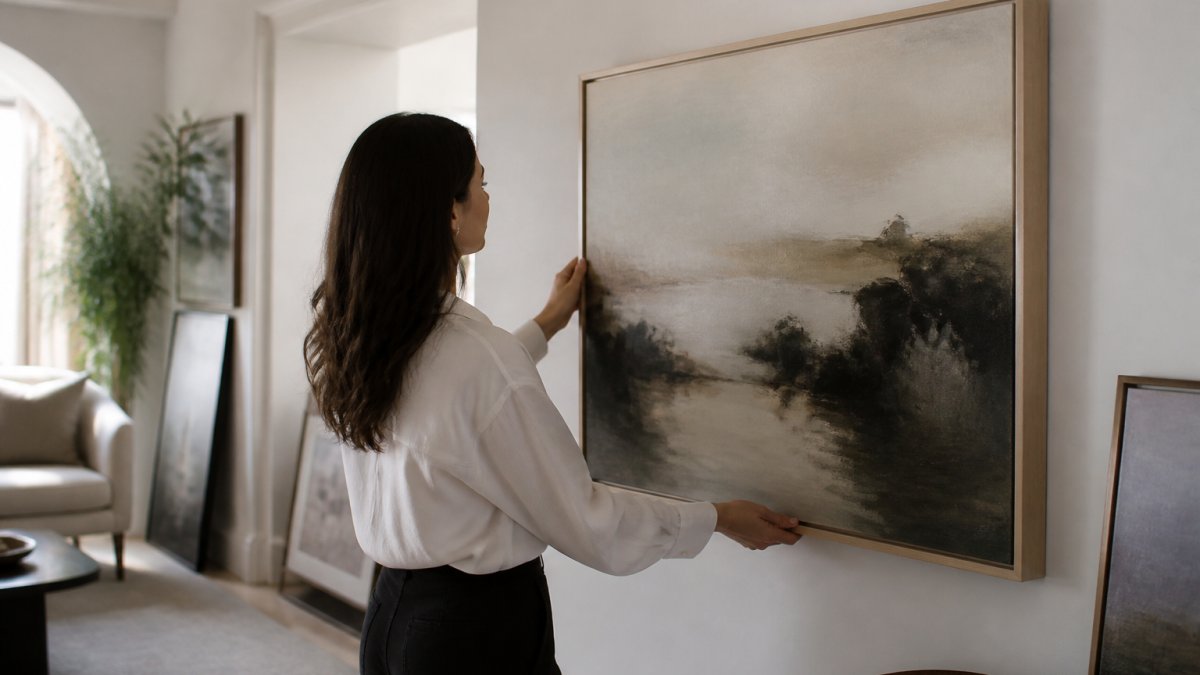
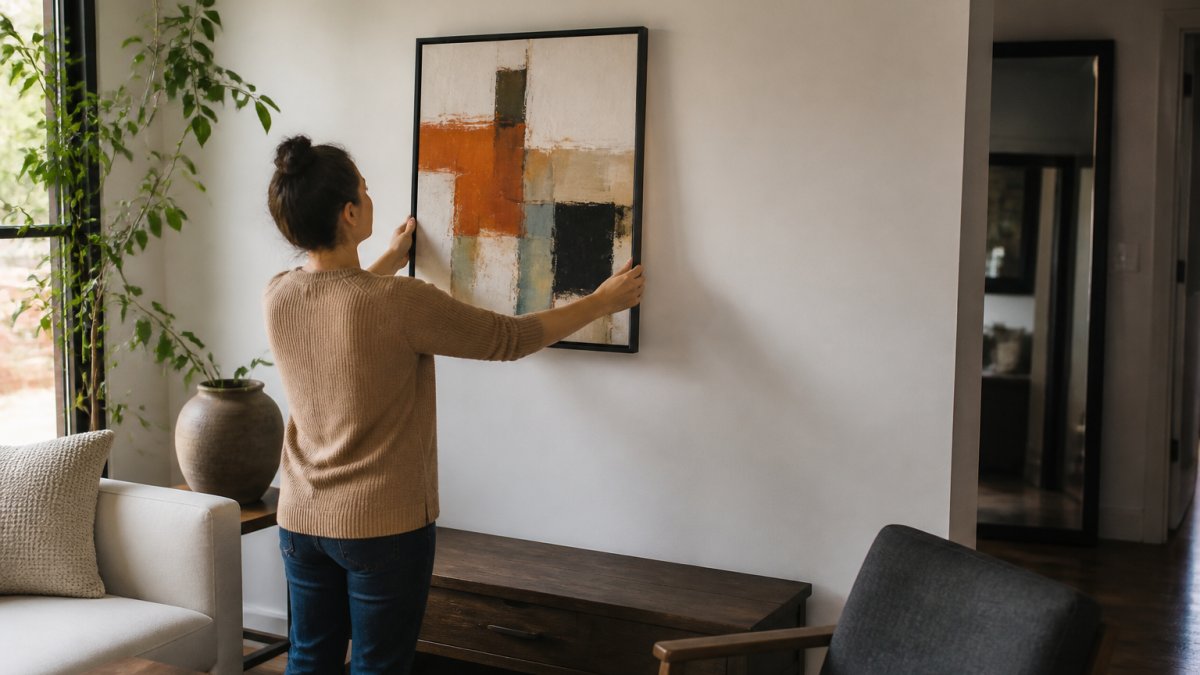
Next, consider context. Where will this piece live? A bold, graphic textile-inspired work might anchor a living room gallery wall. A subtle, contemplative painting suits a bedroom or study. Scale matters too.
Then evaluate the artist and provenance. Who created this work? What's their background? Is the cultural inspiration authentic to their heritage, or are they drawing from external research? Both approaches are valid, but they carry different weight.
Finally, assess your budget realistically. Original fine art commands higher prices than reproductions for good reasons: uniqueness, artist compensation, and long-term value. But reproductions and limited-edition prints offer genuine beauty at accessible price points. Know what category you're buying in, and don't confuse the two.
Evaluating Authenticity and Provenance
Authenticity means the piece is what the seller claims it is. A painting attributed to a specific artist should be verifiably created by that artist. A "limited-edition print" should include documentation of the edition number and total print run. Reproductions should be clearly labeled as such.
Provenance, the documented history of ownership, matters more for high-value pieces but signals integrity at any price point. Can the gallery tell you where the artwork came from? Has it been previously owned? For contemporary work, provenance is often simpler: the artist created it, the gallery acquired it directly or through established channels.
Red flags include vague artist attribution, missing edition numbers on prints, no documentation of origin, or prices significantly lower than comparable work. When something seems too cheap, ask why. Galleries operating with integrity can explain their pricing.
Miramontes Gallery's emphasis on artist attribution and transparent sourcing reflects this standard. Collectors deserve to know exactly what they're buying and why it's priced as it is.
Understanding Original Art, Reproductions, and Limited Editions
These three categories serve different purposes, and conflating them leads to buyer regret.
Original art is created by the artist as a one-of-a-kind work or part of a small series. It commands the highest price because it's unique and typically appreciates over time. Paintings, sculptures, and handmade textiles fall here. If you're buying original work, you're investing in both the art and the artist's future reputation.
Limited-edition prints are reproductions made in a controlled quantity, say, 250 copies, and numbered accordingly (1/250, 2/250, etc.). The artist or gallery controls production to maintain scarcity and value. Limited editions cost less than originals but more than open-run prints. They're a smart entry point for collectors building a collection.
Reproductions are unlimited copies of original artwork, printed on demand or in large batches. They're affordable and accessible, great for filling wall space or testing whether you love a particular aesthetic before investing in original work. But they don't appreciate in value and lack the authenticity collectors prize.
Understanding these distinctions prevents disappointment. If you buy a reproduction thinking it's a limited edition, you'll feel misled. Galleries that clearly label what you're purchasing, and why the price reflects that category, earn trust.
Art Visualization Tools: Previewing Your Purchase Before Buying
The biggest barrier to buying fine art online is uncertainty about how it will look in your actual space. Colors shift under different lighting. Scale surprises you. A piece that seemed perfect on your screen clashes with your furniture.
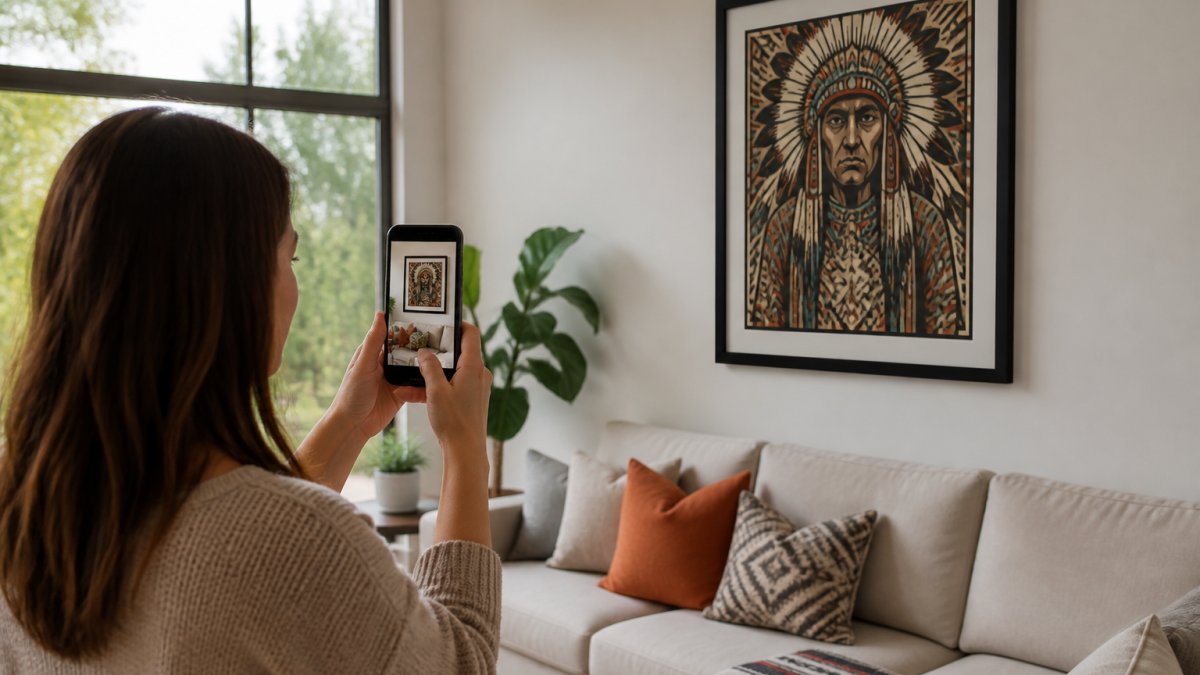
Augmented reality solves this problem. You photograph your wall with your smartphone, then overlay the artwork onto that image. You see exactly how the piece will look, colors, scale, framing, everything, before you buy.
Miramontes Gallery's AR tool removes this friction. You can preview paintings, photography, and sculptures in your home or office. This isn't theoretical, it's practical confidence. You're not guessing. You're seeing.
The technology also helps with interior design decisions. Should the piece hang above the sofa or on the adjacent wall? Does it need a mat or frame? How will it interact with existing artwork? AR lets you experiment before committing. For collectors furnishing offices or high-value spaces, this capability is invaluable.
Cultural Context and Respectful Purchasing
Buying culturally inspired fine art carries responsibility. You're not just acquiring a decorative object. You're engaging with someone's cultural heritage, identity, and story.
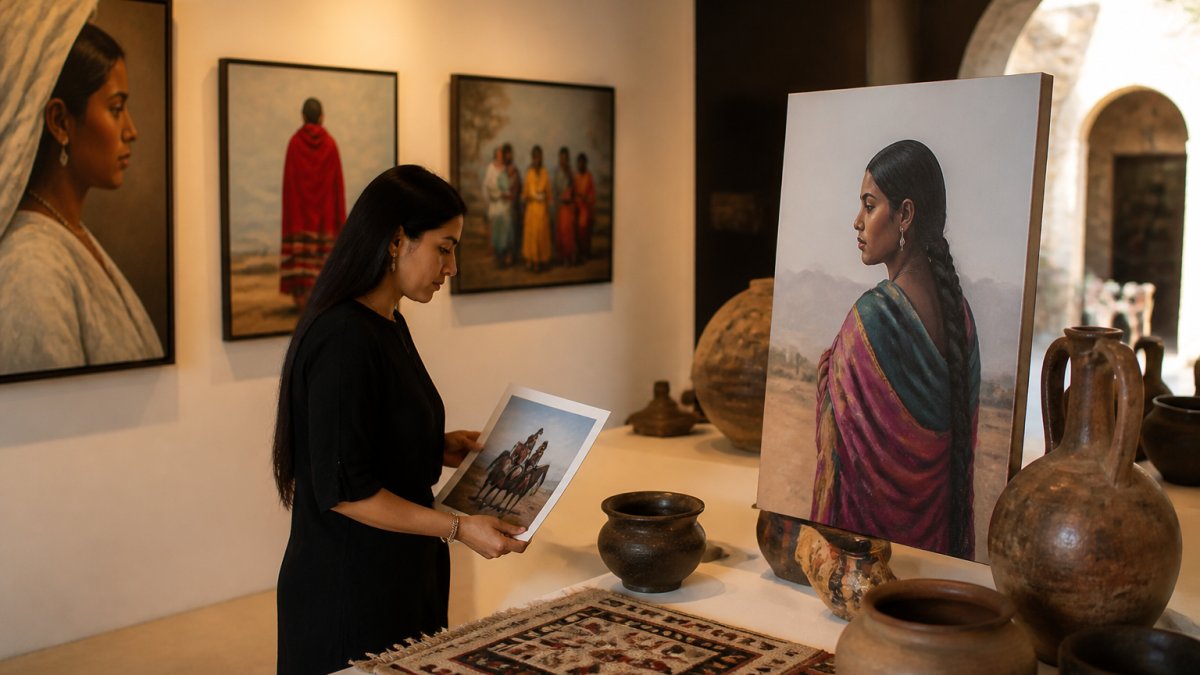
Respectful purchasing starts with understanding context. If you're drawn to Indigenous-inspired artwork, learn about the specific nation or tradition. Is the artist from that culture, or are they inspired by external research? Both are legitimate, but they're different purchases. Supporting Indigenous artists directly funds cultural preservation and economic opportunity within those communities. Buying work inspired by Indigenous aesthetics from non-Indigenous artists is valid too, but transparency matters.
The same principle applies to work drawing from African, Asian, Latin American, Middle Eastern, or other traditions. Know what you're buying and why. Galleries that provide cultural context, not just artist names and prices, support informed purchasing.
This doesn't mean overthinking every purchase. It means asking questions and choosing galleries that can answer them. Miramontes Gallery's commitment to artist attribution reflects this principle. You should know who created the work and the cultural foundation it rests on.
Artist Compensation and Supporting Independent Creators
Every dollar you spend buying culturally inspired fine art either supports the artist or lines middlemen's pockets. The difference matters.
When you buy directly from an artist or through galleries that prioritize artist compensation, more of your money reaches the creator. Independent artists, especially those from underrepresented cultural backgrounds, often struggle to reach collectors. Online galleries democratize access. An artist in a rural area can now reach global collectors without relying on traditional gallery gatekeepers.
Limited-edition prints and original work directly support artists in ways reproductions don't. If you're serious about supporting creators, prioritize buying original pieces or limited editions from artists you believe in. The price difference reflects real economic value flowing to the person who made the work.
Galleries that display artist bios, share their stories, and explain their cultural background are signaling respect for creators as people, not just content producers. This transparency also helps you make intentional purchases aligned with your values.
Care, Display, and Preservation of Fine Art
Buying fine art is the beginning, not the end. How you display and maintain it determines whether it lasts decades or deteriorates within years.
Placement matters. Avoid direct sunlight, which fades pigments over time. Keep artwork away from high humidity, heat sources, and temperature fluctuations. A stable environment, consistent temperature and humidity, preserves both paintings and photography.
Framing protects and displays simultaneously. Museum-grade materials, acid-free mats, UV-protective glass, archival backing, cost more upfront but preserve artwork indefinitely. For pieces you plan to keep long-term, this investment pays dividends.
Handle artwork carefully. Oils and dirt from bare hands damage surfaces. Wear cotton gloves when moving pieces. Clean glass or acrylic fronts with microfiber cloths and appropriate cleaners, never paper towels or household sprays.
For sculptures and three-dimensional work, dust gently with soft brushes. Avoid harsh chemicals or abrasive materials. If a piece requires professional restoration, consult conservators who specialize in the artwork's medium and cultural tradition.
Buying culturally inspired fine art should feel like a confident, informed decision, not a gamble. The right platform removes uncertainty. Learn more about art authentication standards to deepen your collecting knowledge, and explore how cultural representation in art markets continues to evolve.
Frequently Asked Questions
How do I know if culturally inspired fine art is authentic when buying online?
Verify authenticity by checking the artist's credentials, requesting provenance documentation, and confirming the seller's registration and track record. Reputable galleries like Miramontes Gallery are registered with the Art Storefronts Organization and provide clear artist attribution. Ask for high-resolution images, artist statements, and edition information. Legitimate galleries transparently disclose whether you're purchasing an original, limited-edition print, or reproduction.
What should I look for when choosing art for my home?
Consider your space's color palette, lighting, and existing décor. Evaluate the artwork's size and scale relative to your wall. Think about the cultural context and what the piece means to you personally. Use art visualization tools to preview the work in your actual space before purchasing. Consider how the piece complements your collection and whether it aligns with your interior design goals for both home and office environments.
Can art visualization tools actually show me how a painting will look on my wall?
Yes, augmented reality visualization tools let you see how artwork appears in your specific space using your smartphone or tablet. These tools account for your room's lighting, wall color, and furniture placement, providing a realistic preview before you buy. This technology helps you make confident purchasing decisions and reduces the risk of colors or scale appearing different than expected in person.
What's the difference between buying original art, limited-edition prints, and reproductions?
Original art is a one-of-a-kind piece created directly by the artist, offering authenticity. Limited-edition prints are numbered reproductions of an original work, produced in a specific quantity. Reproductions are unlimited copies of artwork with no edition number. Original pieces and limited editions directly support the artist. Understanding these distinctions helps you make informed purchases aligned with your collecting goals.