 ultimate-guide
Why Is Fine Art So Expensive? 2026 Collector's Guide
Table of Contents
- Why Is Fine Art So Expensive? The Forces Behind the Price Tag
- What Determines the Price of an Artwork: The Full Cost Chain Explained
- Artist Reputation, Career Stage, and Market Stature: Why Two Similar Works Differ by Millions
- How to Value a Painting: Provenance, Condition, and Institutional Consensus
- Original Art vs Prints: The Scarcity Premium and What You Actually Pay For
- How to Buy Fine Art for Beginners: Budget Strategies and Smart Vetting
- Investment Risk and Resale Realities: What the Market Doesn't Tell You
- Conclusion: Making Sense of Fine Art Prices
- Frequently Asked Questions
Last Updated: October 12, 2026
Why Is Fine Art So Expensive? The Forces Behind the Price Tag
A single painting can sell for more than a house, and there is rarely one reason why. Fine art is expensive because it combines genuine scarcity, decades of an artist's practice, collector demand, and the market consensus built by galleries and institutions. Below, we break down the full cost chain, show you how to judge whether a price is reasonable, and cover the resale realities most sellers won't mention.
The short answer: you are not paying for canvas and paint. You are paying for a unique work that cannot be reproduced, an artist's years of practice, and a market that has agreed the piece is worth owning.
What Determines the Price of an Artwork: The Full Cost Chain Explained
What determines the price of an artwork is a chain of costs and signals, not a single formula. Production cost, labor, artistic skill, gallery commission, and market positioning all stack on top of each other.
Start with the physical side:
- Materials: canvas, linen, archival pigments, framing, and photography for documentation
- Labor: the hours in the studio, which for an experienced painter can run into weeks per piece
- Years of practice: the decade of unpaid or low-paid work behind the skill you see
- Overhead: studio rent, insurance, shipping, crating, and gallery commission
Then the intangible layer. An artist's reputation, exhibition history, and collector demand can multiply the price of two physically similar works many times over. According to the IRS guide to charitable contributions of art, even the tax treatment of donated artwork distinguishes between the artist's materials and the work's fair market value, a useful reminder that the object and its market value are two different things.
Artist Reputation, Career Stage, and Market Stature: Why Two Similar Works Differ by Millions
Artist reputation and career stage are the largest single drivers of price differences between comparable works. An emerging artist and an established one can paint the same subject at the same size, and the established work may sell for many times more.
Career stage matters because it signals risk to the buyer. A gallery or collector paying a premium for an established name is buying a track record: museum shows, critical attention, and a documented resale history. Branding and a recognizable artistic style reinforce this. When an artist's work is instantly identifiable, the market treats it as a category of its own, and scarcity within that category pushes prices up.
How to Value a Painting: Provenance, Condition, and Institutional Consensus
How to value a painting comes down to three checks: provenance, condition, and institutional consensus. Provenance is the documented ownership history, and it establishes authenticity. Condition covers the physical state of the surface, frame, and any prior restoration. Institutional consensus is the agreement among galleries, museums, and critics that a work or artist matters.
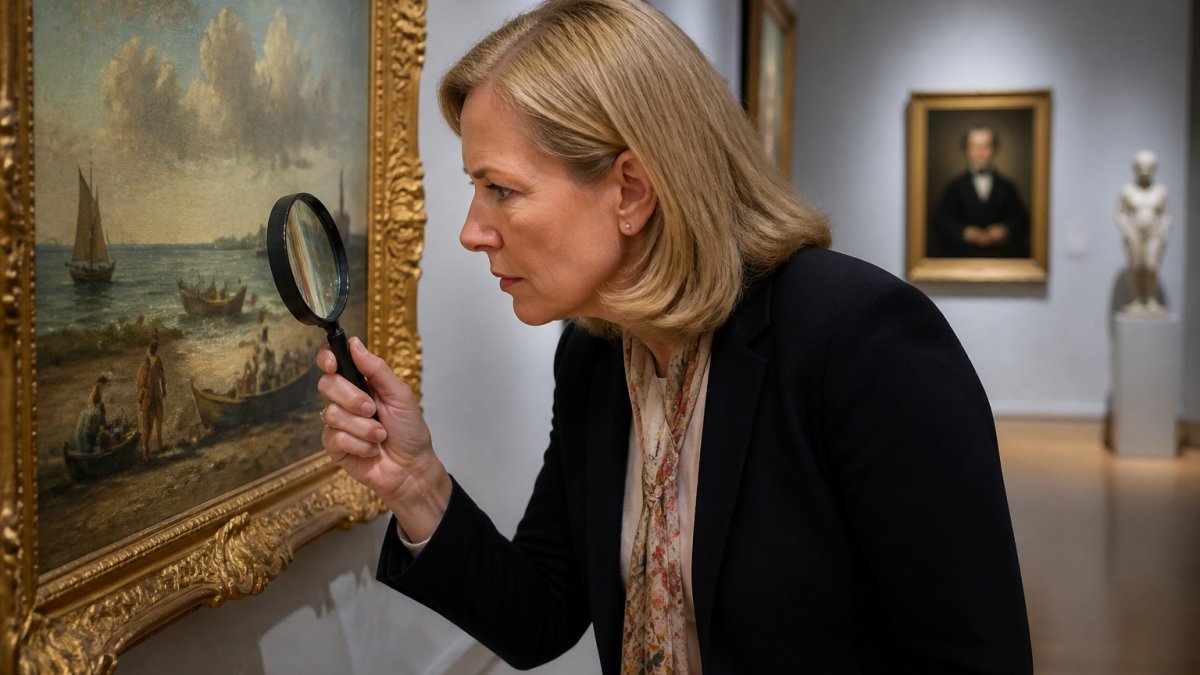
Ask for the paperwork before you fall in love with the image. The U.S. Copyright Office guidance on visual arts is a useful reference for how authorship and reproduction rights are recorded, which matters when you are buying an original rather than a print.
Original Art vs Prints: The Scarcity Premium and What You Actually Pay For
Original art is a unique work; a print is one of a run. That difference in scarcity is the core of the price gap, and it is the single most misunderstood point for new buyers.
A limited edition print is numbered and finite, so it carries some scarcity. A mass-produced poster or open-edition reproduction carries none. When you buy an original, you are buying the only version that will ever exist, plus the artist's hand and the surface texture that no reproduction captures. Medium and materials also matter: oil on linen behaves differently from a digital print, both in appearance and in long-term durability.
Type | Scarcity | What You Pay For | Best For |
|---|---|---|---|
Original work | One of a kind | Unique hand, texture, provenance | Collectors, statement pieces |
Limited edition print | Numbered run | Artist's image, controlled supply | Budget-minded buyers |
Open edition reproduction | Unlimited | Decoration only | Filling wall space |
How to Buy Fine Art for Beginners: Budget Strategies and Smart Vetting
How to buy fine art for beginners starts with one rule: set your budget before you browse, not after. Pricing depends on the artist, medium, size, and market, so request current pricing directly from the gallery rather than relying on generic ranges. The bigger mistake is not knowing which market you are shopping in.
Primary vs. secondary market, and why it changes your budget
The primary market is where works debut: galleries, open studios, art fairs, and direct-from-artist sales. The artist and gallery split the proceeds, typically with the gallery taking a commission that commonly runs around half the sale price, though terms vary. The secondary market is resale, auction houses, private dealers, and online resale platforms.
That distinction matters for a budget buyer because the primary market is where you can still buy at the artist's set price, before resale markups and auction premiums enter the picture.
Where affordable original work actually lives
- Emerging artists at local MFA thesis shows, open studios, and nonprofit exhibition spaces
- Small and mid-size galleries that represent artists early in their careers
- Art fairs with emerging-artist sections, where galleries often bring lower-priced inventory
- Direct commissions from artists you find through studio visits or juried shows
- Limited-edition prints and photographs, where the edition size caps supply and keeps prices below one-of-a-kind work
- Estate sales and auction house day sales, where works by lesser-known names can sell well below retail
A practical vetting routine
- Confirm the work is original or a numbered edition, in writing
- Request provenance and a certificate of authenticity
- Ask for condition notes and high-resolution detail photos
- Ask whether the price is primary-market (set by the artist/gallery) or secondary-market (resale)
- Get an itemized quote: artwork, framing, crating, shipping, insurance, and any sales tax
- Check the return and replacement policy before checkout
- Preview the piece in your actual space if the platform supports it
That last vetting point is where technology helps. Miramontes Gallery offers an augmented reality tool that lets you see a piece on your own wall before you commit, and our checkout runs over SSL encryption with a clear return policy, including no-charge replacements for quality issues.
Investment Risk and Resale Realities: What the Market Doesn't Tell You
Treating art purely as an investment is riskier than most sales pitches admit. The primary market is where works debut through galleries; the secondary market is resale, often at auction, where competitive bidding can lift prices but can just as easily leave a work unsold. The two markets price the same artist differently, and the artist usually earns nothing on a resale.
The costs that eat your return
- Auction house buyer's premium, which is added to the hammer price and varies by house and price tier
- Seller's commission and any marketing or insurance fees charged by the auction house
- Shipping, crating, and professional art handling in both directions
- Insurance while the work is in transit or storage
- Framing, conservation, or restoration before resale
- Capital gains treatment on a profitable sale, which depends on how long you held the work and how it was classified
A work can sell at auction for more than you paid and still net you less after these costs. That is the part most sales pages leave out.
Liquidity and demand risk
- Auction results are public but not guaranteed, and a work can fail to sell at all
- Liquidity is slow: a work may take months or longer to find a buyer
- Tastes shift with economic conditions, and an artist's market value can fall as well as rise
- Concentrated demand for a few names means most artists have thin resale markets
How to judge whether a price is reasonable
Before you buy, run a short framework:
- Comparable sales. Look for recent auction results and gallery prices for works by the same artist at similar size and medium. Auction databases and gallery price lists are the starting point.
- Medium and size. Oil on linen, bronze, and archival pigment prints have different cost structures and different resale behavior. Price per square inch within an artist's own catalog is a useful sanity check.
- Provenance. A documented ownership chain and a certificate of authenticity support value; gaps in provenance create risk.
- Condition. Restoration, fading, or frame damage reduces value and should be reflected in the price.
- Artist's sales history. Consistent gallery representation, museum exhibitions, and a record of sold works signal a functioning market. An artist with no sales history is a speculation, not an investment.
Buy what you want to live with. If it also appreciates, that is a bonus, not a plan. Miramontes Gallery exists for buyers who want meaningful, culturally inspired work they can enjoy now, with the security of a verified, established platform behind the purchase.
Conclusion: Making Sense of Fine Art Prices
Fine art is expensive for reasons that are mostly rational once you see the whole chain: scarcity, skill, reputation, and the consensus of the institutions that shape the market. The hard part is finding a seller you can trust with that kind of purchase. Miramontes Gallery combines a secure SSL-encrypted checkout, a no-charge replacement policy for quality issues, and an augmented reality preview so you can see the work in your own space first. Shop Art with Miramontes Gallery and buy with confidence.
Frequently Asked Questions
What determines the price of an artwork?
Artwork prices are shaped by four main factors: the cost chain (materials, studio time, framing, shipping, gallery commission), artist reputation and career stage, physical attributes like size and medium, and market forces including scarcity, collector demand, and institutional validation. A painting's price is not a single number pulled from thin air; it is the sum of production costs, the artist's market stature, and what collectors are willing to pay at a given moment. Galleries and auction results provide the pricing benchmarks that establish market value.
Why can two similar-looking artworks have very different prices?
Two paintings may look alike but carry vastly different prices because of provenance, artist reputation, and market consensus. A work by an artist with museum exhibitions, gallery representation, and a documented auction record commands more than a comparable piece by an unknown artist. Condition also matters: a painting with original surface and no restoration is worth more than one that has been repaired. Scarcity plays a role too, since unique works cannot be replaced, while prints and reproductions can be produced in larger numbers.
Does an artist's reputation affect the value of their work?
Yes, artist reputation is one of the strongest drivers of fine art prices. Career stage matters: emerging artists typically sell for less than mid-career or established artists with museum shows and critical recognition. Branding and a recognizable artistic style also contribute, because collectors pay for the assurance that a work fits a coherent body of work. Institutional consensus, meaning validation from galleries, museums, and curators, reinforces reputation and can raise prices over time.
How can a beginner tell whether a piece of art is worth its price?
Beginners can assess value by comparing the work to similar pieces by the same artist or in the same genre, checking provenance and condition reports, and asking about the edition size if it is a print. A reasonable price reflects the cost chain, the artist's market stature, and the scarcity of the work. Buyers should also factor in gallery reputation and return policies. If a price seems far below market for a reputable artist, verify authenticity and condition before purchasing.